

ETBI’s national RISE (Realising Inclusive Special Education) Showcase brought together more than 200 schools and education partners, highlighting how inclusive practice is already improving learning, belonging and engagement for young people across the system.
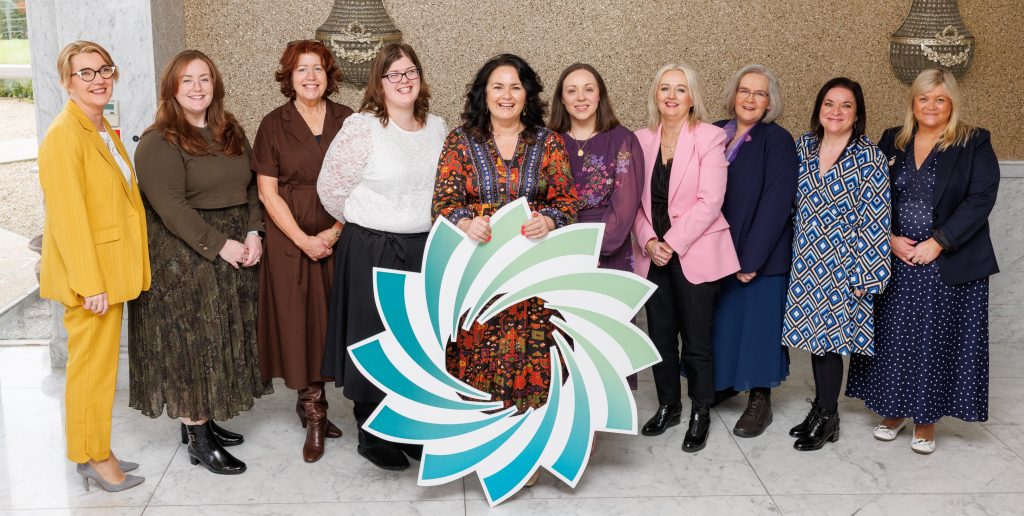
Led by Education and Training Boards Ireland (ETBI) with Mary Immaculate College, the RISE strategy supports schools to plan inclusively, collaborate within and across schools, and use resources more effectively for the benefit of all students. Schools showcased clearer whole‑school planning, smoother student transitions and stronger teamwork, demonstrating a shift from isolated supports to shared responsibility.
Now embedded in over 220 post‑primary schools nationwide, the RISE strategy is increasingly recognised as a practical model for system integration. Originally developed within the ETB sector, RISE has since expanded to include ETB, JMB and ACCS schools, and brings together schools, higher education institutions and national education agencies to align policy, practice and research.

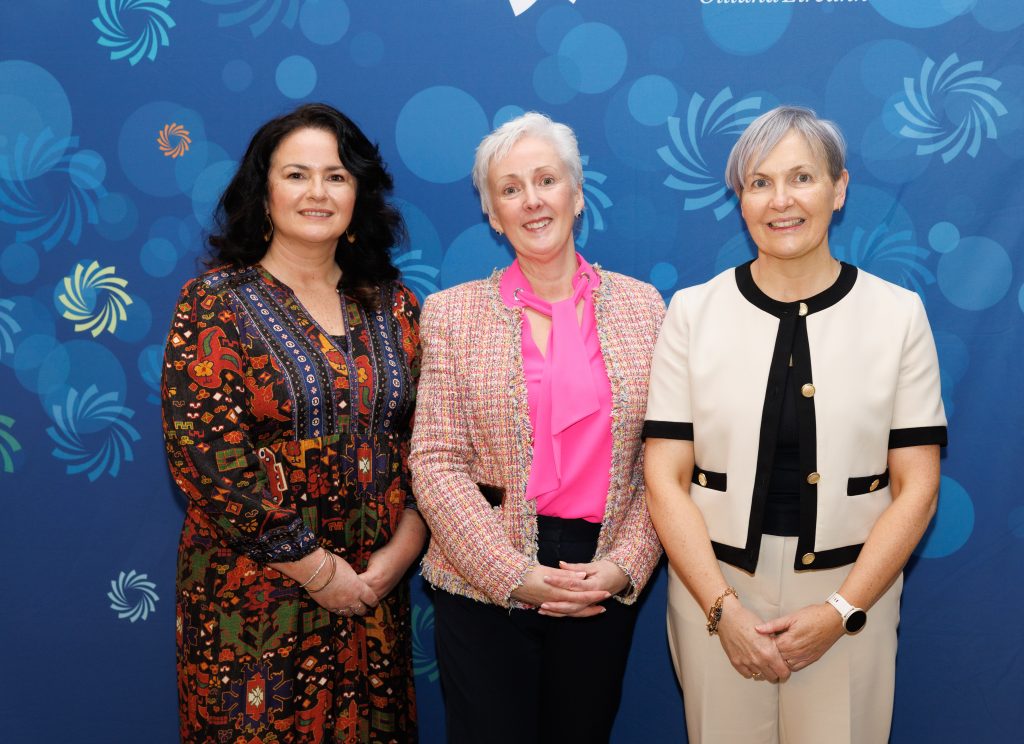
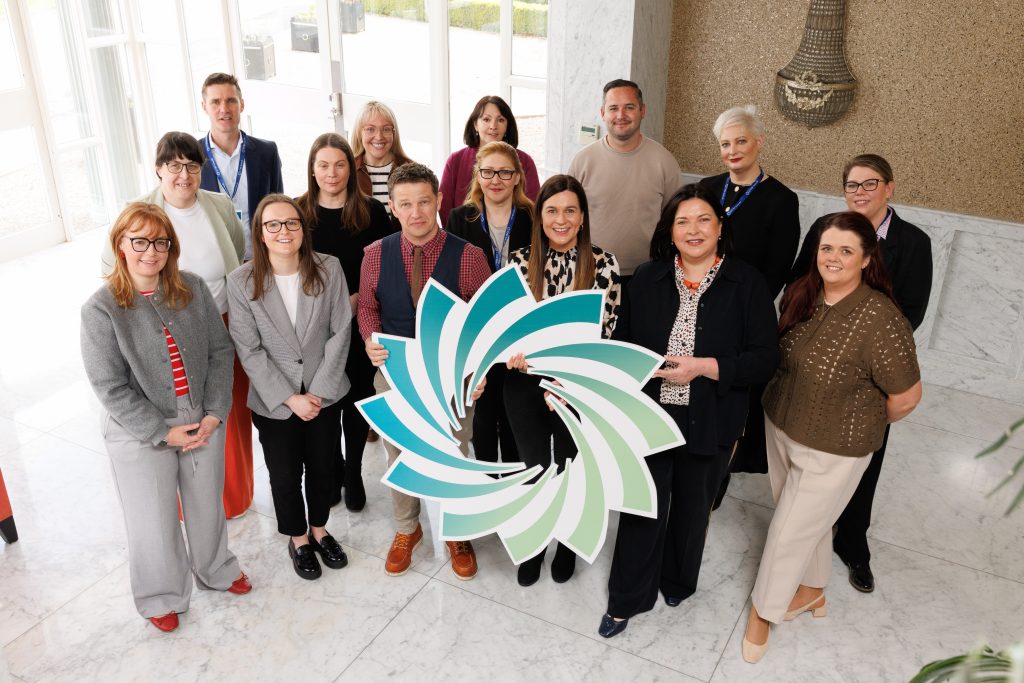
Dr Johanna Fitzgerald reflected on the evolution of RISE over the past decade, describing it as a celebration of Belonging, Progress and Partnership across school communities and educational stakeholders.
“Our post‑primary schools can and do support every kind of learner,” said Dr Johanna Fitzgerald, ETBI National Inclusion, Special Education and Research Coordinator and RISE Lead.
“RISE provides an architecture for self‑improving schools. It shows what is possible when policy ambition is matched with sustained support for implementation.”
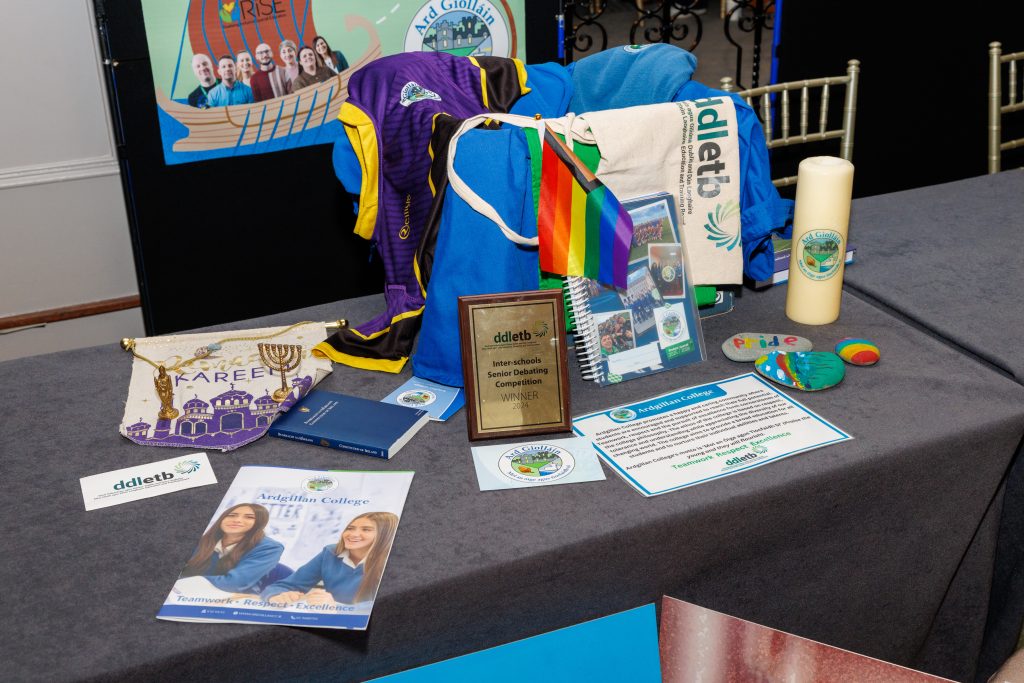
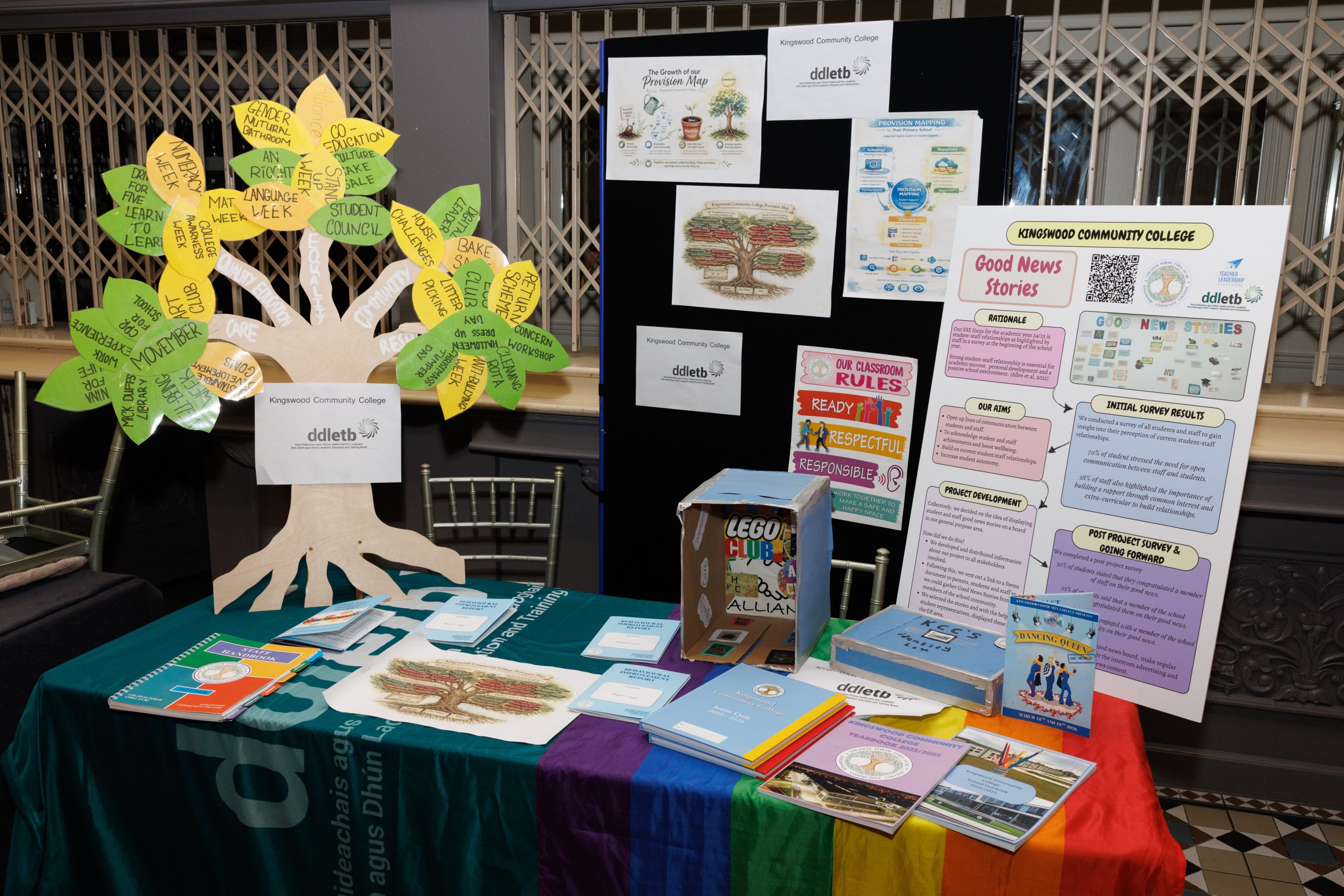
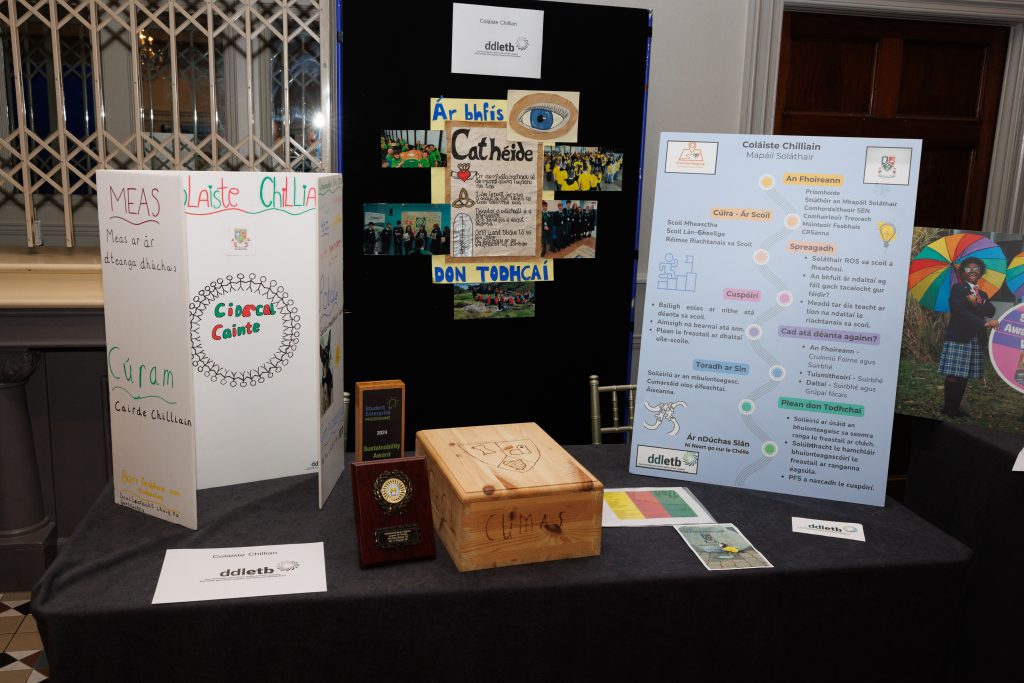
Throughout the showcase, schools presented their ongoing work through posters, identity boxes, photo displays and video montages. These exhibits reinforced Helen Walsh’s (National Council for Special Education – NCSE) keynote message which emphasised belonging for all as the goal “all children are different, and all children belong.”
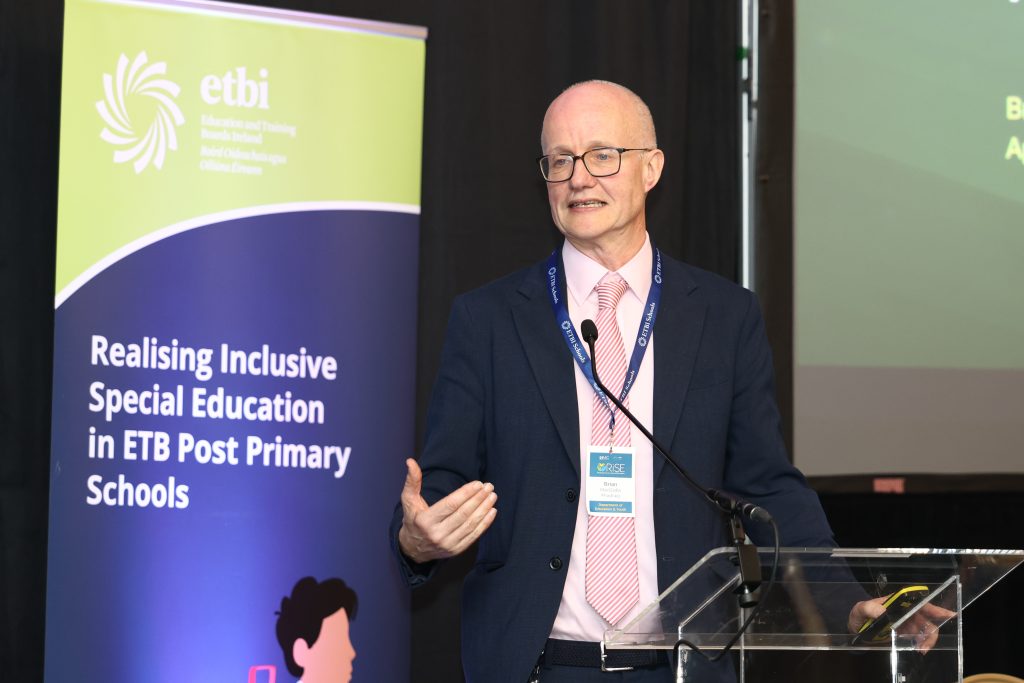
In his closing keynote, Dr Brian MacGiolla Phádraig, Assistant Chief Inspector at the Department of Education and Youth, highlighted RISE as an example of how structured collaboration across schools and agencies can drive meaningful, sustainable change. “When the system pulls in the same direction, inclusive education thrives,” he said. “RISE demonstrates how coherence across policy, leadership and evidence‑informed classroom practice strengthens outcomes for all students and supports staff.
Importantly, the event amplified parent perspectives on inclusion. Sarah-Jane Gunn (Louth & Meath ETB), a parent and guidance counsellor, spoke of the positive impact of RISE and highlighted the central role of communication between schools and families: “For parents of children with special educational needs, open and regular communication with schools builds trust and confidence”, she said. “Inclusion isn’t just about where a child is placed. It’s about how that experience is shared.”

The showcase also reflected the national momentum following Minister Naughton’s and Minister Moynihan’s announcement on enhanced resources to schools to continue providing inclusive special class provision. Dr Fitzgerald noted that many schools are already working in this way. “Special classes are most effective when they operate as a whole‑school resource, not a separate space,” she said. “The Minister’s announcement strengthens work already happening across our schools, where students stay connected to their peers while accessing flexible supports.”
While celebrating progress, contributors to the showcase also noted that RISE has identified the importance of deeper policy alignment at national level, enabling schools to enact inclusive frameworks in sustainable ways that work for individual schools, and improve outcomes for students. “If we want inclusive education and belonging to flourish,” Dr Fitzgerald added, “schools need time and space to work together, to critically engage with policy, and to translate it meaningfully into their own contexts.”
The RISE strategy is led collaboratively by ETBI and Mary Immaculate College, in partnership with schools, educators, students, families and national education agencies. In his final remarks, Dr James Eustace, Acting General Secretary of ETBI, expressed gratitude to MIC Limerick for its continued support of RISE. He also acknowledged the exceptional work taking place in schools nationwide and the powerful partnerships forged across the system. “RISE stands as a clear national example of how partnership, research‑informed practice and system coherence can translate policy ambition into everyday classroom reality.”